
Introduction
The 14th Amendment is one of the most transformative provisions in the United States Constitution. Ratified in 1868, it fundamentally reshaped American citizenship, civil liberties, and equality under the law. Emerging from the aftermath of the Civil War, it addressed crucial questions about who qualifies as a citizen and what protections individuals are guaranteed against state actions.
This amendment has played a central role in shaping modern America. From ending racial segregation in schools to protecting marriage equality and individual privacy rights, courts have relied heavily on the 14th Amendment to interpret fundamental freedoms. Its broad language allows for evolving interpretations, making it a cornerstone of American civil rights law.
In this comprehensive guide, we explore the historical background, key provisions, landmark cases, controversies, and ongoing impact of the 14th Amendment.
Historical Background and Reconstruction Era


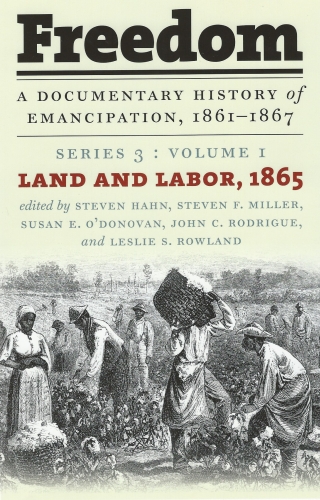
The origins of the 14th Amendment lie in the period following the American Civil War (1861–1865). The war ended slavery, but it left unresolved the issue of how formerly enslaved individuals would be integrated into American society. Southern states quickly enacted restrictive laws known as Black Codes, which limited the rights of African Americans and sought to maintain racial hierarchy.
These developments raised serious concerns among lawmakers in Congress, who feared that without constitutional protection, newly freed individuals would continue to face discrimination and injustice.
Overturning Past Injustices
A major motivation for the 14th Amendment was to overturn the ruling in Dred Scott v. Sandford. This Supreme Court decision had declared that African Americans could not be citizens of the United States. The amendment directly rejected this position by guaranteeing citizenship to all persons born or naturalized in the country.
Ratification in 1868
The 14th Amendment was ratified on July 9, 1868, during the Reconstruction Era. It was designed to rebuild the nation on principles of equality, protect civil rights, and limit state power over individual freedoms. Its ratification represented a significant expansion of federal authority to ensure justice and equality.
Key Clauses of the 14th Amendment


Citizenship Clause
The Citizenship Clause states that all persons born or naturalized in the United States are citizens of the nation and the state in which they reside. This provision established birthright citizenship and permanently resolved debates about national belonging.
It ensures that states cannot arbitrarily deny citizenship or discriminate against individuals based on race or origin. The principle continues to influence modern debates about immigration and national identity.
Due Process Clause
The Due Process Clause prevents states from depriving individuals of life, liberty, or property without fair legal procedures. It protects individuals from arbitrary government actions and ensures fairness in legal proceedings.
Courts have interpreted this clause to include both procedural protections and substantive rights. Over time, it has been used to protect personal liberties such as privacy, family autonomy, and freedom of choice.
Equal Protection Clause
The Equal Protection Clause requires states to treat all individuals equally under the law. It prohibits discriminatory practices and serves as the foundation for civil rights protections.
This clause has been instrumental in challenging racial segregation, gender discrimination, and unequal treatment in public institutions. Its broad language allows courts to address new forms of inequality as society evolves.
Landmark Supreme Court Cases


Major Cases and Their Impact
| Case | Year | Key Issue | Impact |
|---|---|---|---|
| Brown v. Board of Education | 1954 | Racial segregation in schools | Declared segregation unconstitutional |
| Loving v. Virginia | 1967 | Interracial marriage bans | Struck down marriage restrictions |
| Roe v. Wade | 1973 | Privacy and reproductive rights | Recognized constitutional privacy protections |
| Obergefell v. Hodges | 2015 | Same-sex marriage | Legalized same-sex marriage nationwide |
Transformative Legal Influence
Through these decisions, the 14th Amendment became a powerful tool for social reform. Courts used it to dismantle discriminatory laws and expand protections for marginalized communities. These cases demonstrate how constitutional principles can evolve alongside social progress.
Role in the Civil Rights Movement


During the mid-20th century, the 14th Amendment became a central pillar of the Civil Rights Movement. Activists and lawyers relied on its Equal Protection Clause to challenge segregation and discriminatory laws.
Organizations advocating for racial equality used the courts to enforce constitutional guarantees. These efforts led to major legal victories that reshaped American society.
Ending Segregation
One of the most significant achievements linked to the 14th Amendment was the end of racial segregation in public schools. Legal challenges argued that segregation violated the principle of equal protection, leading to landmark decisions that transformed education.
Expanding Rights Beyond Race
Although originally focused on racial equality, the amendment’s principles later extended to gender rights, disability rights, and LGBTQ+ protections. Its flexible language allows it to address new forms of discrimination and injustice.
Incorporation Doctrine and Individual Liberties
A major development related to the 14th Amendment is the incorporation doctrine. This legal principle applies the protections of the Bill of Rights to the states through the amendment’s Due Process Clause.
Before this doctrine emerged, many constitutional protections applied only to the federal government. Over time, courts ruled that fundamental rights—such as freedom of speech, religion, and fair trials—must also be respected by state governments.
This interpretation significantly expanded individual freedoms and strengthened constitutional protections across the country.
Modern Applications and Debates
Immigration and Citizenship
Birthright citizenship remains a major topic of discussion. The Citizenship Clause of the 14th Amendment continues to shape debates about immigration policy and national identity.
Supporters argue that the clause ensures fairness and prevents discrimination, while critics debate its scope and interpretation.
Privacy and Personal Autonomy
The Due Process Clause has been used to protect personal decisions related to marriage, family life, and bodily autonomy. These interpretations often spark debates about the role of courts in defining fundamental rights.
Federal vs. State Authority
Another ongoing discussion concerns the balance of power between federal and state governments. The 14th Amendment gives the federal government authority to intervene when states violate individual rights, raising questions about constitutional limits and governance.
Snippets on the 14th Amendment
“The 14th Amendment guarantees citizenship and equal protection to all persons born or naturalized in the United States.”
“Its Due Process and Equal Protection Clauses form the foundation of modern civil rights law.”
“From school desegregation to marriage equality, the 14th Amendment continues to shape American society.”
“The amendment limits state power and ensures fairness, equality, and individual liberty.”
Importance in Contemporary Society
The 14th Amendment remains highly relevant in modern legal and social discussions. Courts continue to interpret its provisions to address issues such as digital privacy, discrimination, and equal access to public services.
Its enduring importance lies in its broad language, which allows the Constitution to adapt to changing social conditions. By guaranteeing fairness and equality, it serves as a safeguard against injustice.
Why the 14th Amendment Matters Today
The significance of the 14th Amendment extends beyond legal theory. It shapes everyday life by influencing policies related to education, healthcare, marriage, employment, and public services.
Its protections ensure that governments cannot act arbitrarily or discriminate against individuals. This commitment to equality strengthens democratic values and promotes social justice
Conclusion
The 14th Amendment represents a defining moment in American constitutional history. Emerging from the challenges of the Reconstruction Era, it established citizenship rights, limited state authority, and guaranteed equal protection under the law. Its provisions have guided landmark court decisions, advanced civil rights, and shaped modern interpretations of liberty and justice.
More than 150 years after its ratification, the amendment continues to influence legal debates and social progress. Its principles of equality, fairness, and individual dignity remain essential to understanding American law and governance.
Read More:- FindLaw Guide: Legal Resources, Services, Features, and Benefits Explained
